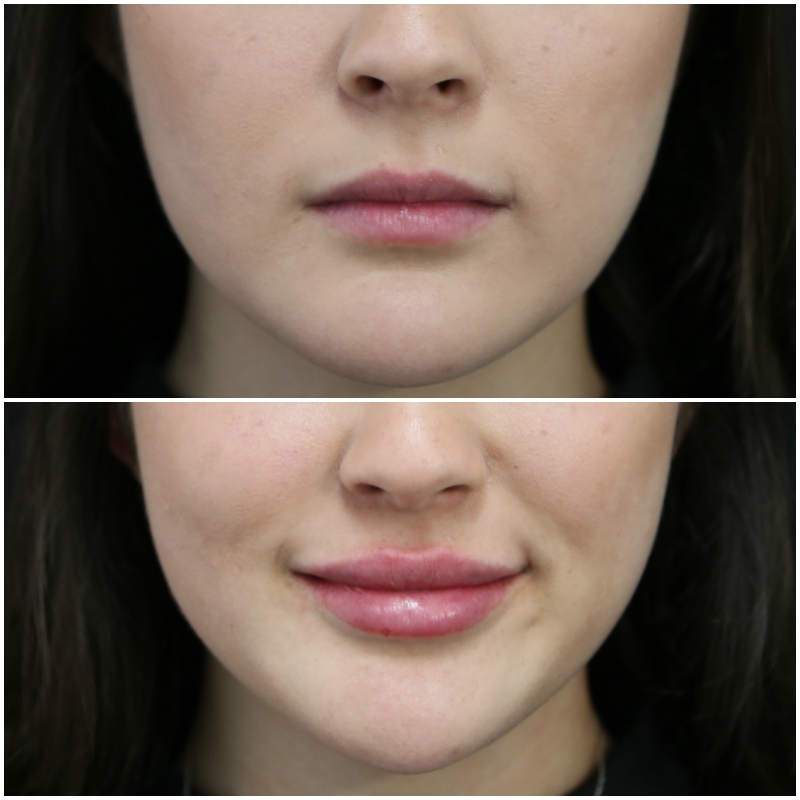
Lip Correction
Lip correction is a cosmetic procedure aimed at improving the appearance of the lips by addressing various concerns such as asymmetry, volume loss, shape irregularities, or fine lines around the mouth. Lip correction procedures can involve surgical or non-surgical techniques, depending on the patient’s goals and the specific issues being addressed.
Here’s a detailed description of lip correction procedures:
-
Consultation: The process typically begins with a consultation with a qualified practitioner, such as a plastic surgeon or dermatologist specializing in aesthetic procedures. During this consultation, the patient discusses their concerns and goals for lip enhancement, and the practitioner evaluates the patient’s lips and facial anatomy to determine the most appropriate treatment plan.
-
Preparing for the procedure: Before the procedure, the practitioner may discuss various options with the patient, including surgical lip augmentation, injectable fillers, or other non-surgical techniques. The patient may be advised to avoid certain medications or supplements that can increase the risk of bleeding or bruising.
-
Lip augmentation with fillers: Non-surgical lip correction often involves the use of injectable dermal fillers, such as hyaluronic acid-based products like Juvederm or Restylane. Using a fine needle or cannula, the practitioner carefully injects the filler into specific areas of the lips to add volume, enhance definition, and improve symmetry. The injection technique may vary depending on the patient’s desired outcome and the practitioner’s expertise.
-
Surgical lip augmentation: In cases where more significant correction or reshaping is needed, surgical lip augmentation procedures may be recommended. These procedures typically involve the use of implants, fat transfer, or surgical techniques to enhance the size and shape of the lips. Common surgical techniques include lip lift surgery, lip implants, or vermilion advancement.
-
Post-procedure care: After the procedure, patients may experience some mild swelling, bruising, or discomfort at the treatment site, which typically subsides within a few days. The practitioner may provide post-procedure instructions, such as applying ice packs to reduce swelling, avoiding strenuous activity, and avoiding certain foods or drinks that can irritate the lips.
-
Results: Patients typically notice immediate improvements in the appearance of their lips following non-surgical lip correction procedures, with optimal results becoming apparent within a few weeks as any swelling subsides. The results of surgical lip augmentation procedures may take longer to fully manifest as the tissues heal and settle into their new shape.
-
Maintenance: The duration of results varies depending on the type of lip correction procedure performed. Non-surgical lip augmentation with fillers typically lasts for several months to a year, after which touch-up treatments may be recommended to maintain the results. Surgical lip augmentation procedures can provide more long-lasting results, but additional touch-up procedures may still be needed over time.
Lip correction procedures can help patients achieve fuller, more balanced lips and enhance their overall facial aesthetics. However, it’s important for patients to have realistic expectations and to discuss any concerns or questions with their healthcare provider before undergoing treatment. Additionally, choosing a qualified and experienced practitioner is essential to ensure safe and satisfactory outcomes.