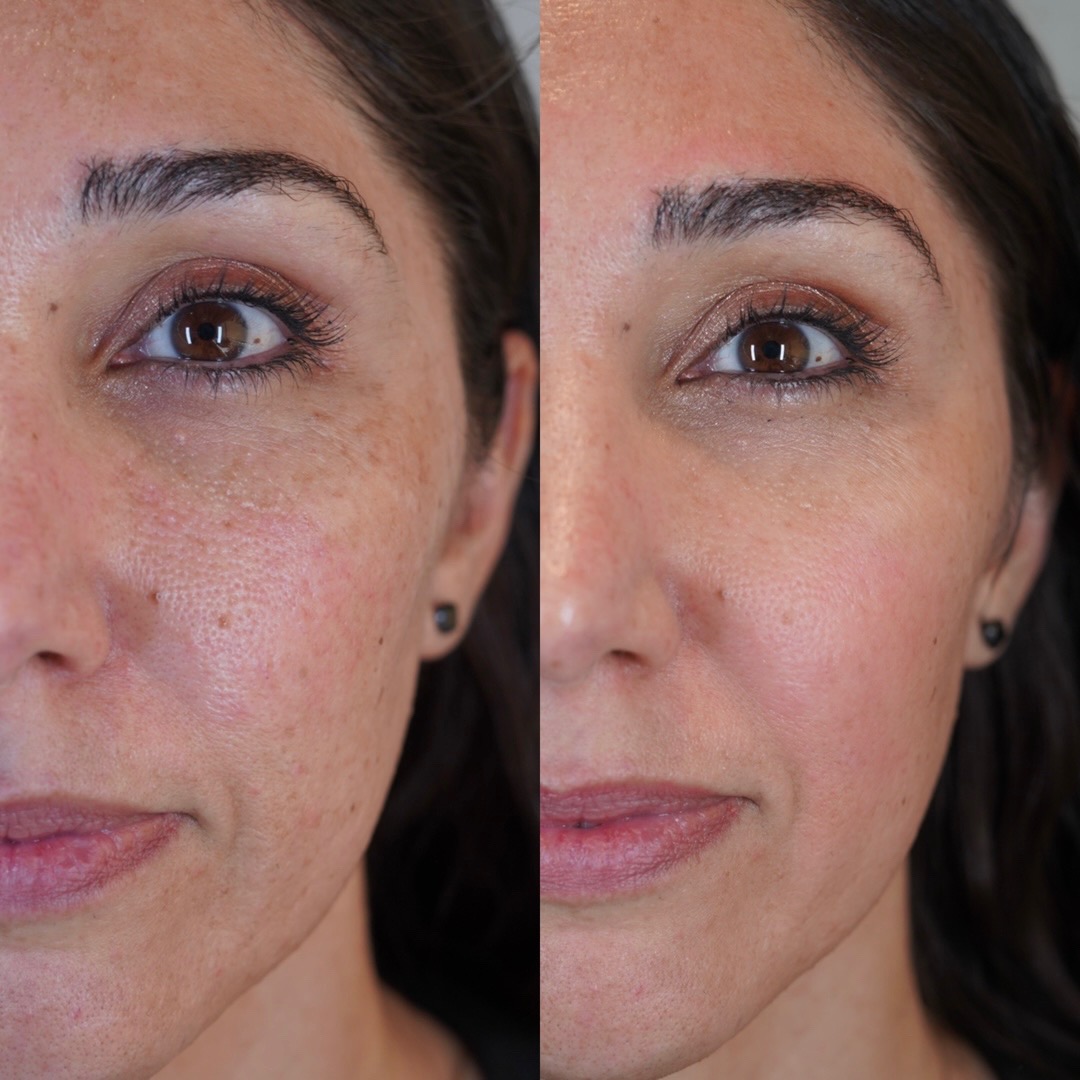
Biorevitalization
Biorevitalization is a cosmetic procedure aimed at rejuvenating the skin and improving its overall appearance by replenishing moisture, restoring elasticity, and enhancing radiance. It involves the use of injectable products containing hyaluronic acid, vitamins, amino acids, and other nutrients to hydrate and revitalize the skin from within.
Steps.
-
Consultation: The process typically begins with a consultation with a qualified practitioner, such as a dermatologist or aesthetician. During this consultation, the patient discusses their skin concerns and goals for treatment, and the practitioner evaluates the patient’s skin to determine if biorevitalization is a suitable option.
-
Preparing for the procedure: Before the procedure, the practitioner may cleanse the skin to remove any makeup, oil, or debris. Depending on the patient’s preference and sensitivity, a topical numbing cream may be applied to minimize discomfort during the injections.
-
Injection of the biorevitalization product: Using a fine-gauge needle, the practitioner carefully administers the biorevitalization solution into the targeted areas of the skin, typically the face, neck, décolletage, or hands. The solution contains a combination of hyaluronic acid, vitamins, amino acids, and antioxidants, which work together to hydrate, nourish, and rejuvenate the skin.
-
Multiple sessions: Biorevitalization is often performed as a series of treatment sessions spaced several weeks apart to achieve optimal results. The exact number of sessions required varies depending on the individual’s skin condition and desired outcome.
-
Post-procedure care: After the injections, patients may experience some mild swelling, redness, or bruising at the injection sites, which typically subsides within a few days. The practitioner may provide post-procedure instructions, such as avoiding sun exposure, wearing sunscreen, and applying moisturizer to maintain hydration.
-
Results and maintenance: Patients typically notice improvements in their skin texture, tone, and overall appearance within a few weeks of their treatment sessions. The results of biorevitalization can last for several months, but maintenance treatments may be recommended to sustain the benefits over time.
Biorevitalization is suitable for a wide range of skin types and concerns, including:
- Dry or dehydrated skin
- Dull or lackluster complexion
- Fine lines and wrinkles
- Sun damage and hyperpigmentation
- Loss of elasticity and firmness
- Uneven skin tone and texture
Overall, biorevitalization is considered a safe and effective option for rejuvenating the skin and restoring its youthful glow, with minimal downtime and relatively low risk of adverse effects when performed by a skilled and experienced practitioner. However, as with any cosmetic procedure, it’s important for patients to have realistic expectations and to discuss any concerns or questions with their healthcare provider before undergoing treatment.